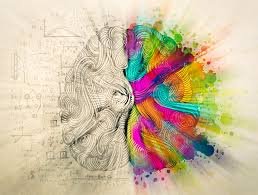
NEUROSCIENCE OF MEDITATION AND BLISS
In recent decades, meditation has moved from monasteries and spiritual retreats into laboratories, hospitals, and universities. Once considered a mystical or religious practice, meditation is now being studied scientifically to understand how it changes the brain and produces deep states of peace, joy, and bliss. Neuroscience is revealing that bliss is not merely a spiritual fantasy—it has a measurable biological and neurological basis.
What Is Bliss in Spiritual and Scientific Terms?
In spiritual traditions, bliss is described as Ananda, a state of profound inner joy, peace, and unity with existence. It is not dependent on external circumstances but arises from within.
In neuroscience, bliss is understood as a state of optimal brain functioning, where stress circuits are quiet, positive emotional circuits are active, and the mind is deeply present.
Bliss, therefore, is both a subjective spiritual experience and a neurobiological state.
How Meditation Changes the Brain
Meditation is a mental training that reshapes the brain through neuroplasticity, the brain’s ability to reorganize itself. Brain imaging studies using fMRI, EEG, and PET scans have shown remarkable changes in long-term meditators.
1. Prefrontal Cortex: The Seat of Awareness and Wisdom
The prefrontal cortex is responsible for attention, decision-making, empathy, and self-control. Meditation increases activity and thickness in this region. This leads to:
- Better emotional regulation
- Enhanced focus and clarity
- Increased compassion and ethical behavior
A strong prefrontal cortex is associated with mature consciousness and spiritual intelligence.
2. Amygdala: The Fear Center
The amygdala controls fear, anxiety, and stress responses. Chronic stress enlarges and over activates the amygdala. Meditation has been shown to reduce amygdala activity and size, leading to:
- Reduced anxiety and fear
- Lower stress levels
- Greater emotional stability
When the fear center calms down, the mind becomes open to peace and bliss.
3. Hippocampus: Memory and Emotional Balance
The hippocampus plays a role in memory and emotional processing. Meditation increases hippocampal density, improving:
- Learning and memory
- Emotional resilience
- Positive mood states
This contributes to a stable sense of inner happiness.
4. Default Mode Network (DMN): The Ego Circuit
The Default Mode Network is active when the mind is wandering, thinking about the past or future, and constructing the sense of self or ego. Meditation reduces activity in the DMN. When the DMN quiets, people experience:
- Reduced self-centred thinking
- A sense of unity or oneness
- Ego dissolution experiences
This is a key neurological basis of mystical and blissful experiences.
Brain Waves and Bliss
The brain produces electrical rhythms called brain waves, measured by EEG. Different meditation states correspond to different brain waves.
Alpha Waves (8–12 Hz)
Alpha waves are associated with relaxation, creativity, and calm awareness. Beginners in meditation often experience increased alpha activity, which feels like peaceful alertness.
Theta Waves (4–8 Hz)
Theta waves occur in deep meditation, creativity, and early sleep stages. They are linked to vivid imagery, intuition, and emotional healing.
Gamma Waves (30–100 Hz)
Advanced meditators, such as Tibetan monks, show high gamma activity. Gamma waves are associated with:
- Peak cognitive functioning
- Compassion and love
- Unity consciousness
Gamma activity is strongly correlated with feelings of bliss and transcendence.
Neurochemistry of Bliss
Meditation influences the brain’s chemical messengers, creating a natural state of happiness.
Dopamine – The Reward and Motivation Molecule
Meditation increases dopamine, leading to feelings of pleasure, motivation, and meaning.
Serotonin – The Mood Stabilizer
Serotonin levels rise during meditation, promoting calmness, contentment, and emotional balance.
Endorphins – Natural Painkillers
Endorphins released during deep meditation reduce pain and create euphoric sensations similar to a “runner’s high.”
Oxytocin – The Love Hormone
Compassion meditation increases oxytocin, enhancing feelings of love, trust, and connection.
Together, these chemicals create what many meditators describe as
spiritual bliss.
Meditation and the Stress Response
The human body has two main nervous system modes:
- Sympathetic Nervous System (Fight or Flight)
- Parasympathetic Nervous System (Rest and Digest)
Modern life keeps people stuck in fight-or-flight mode, leading to chronic stress and disease. Meditation activates the parasympathetic system, slowing the heart rate, lowering blood pressure, and relaxing muscles. This physiological shift is a foundation for peace and bliss.
Is Bliss Just a Brain Trick?
Some critics argue that spiritual bliss is merely a brain-generated illusion. However, from both scientific and philosophical perspectives, this argument is incomplete. All human experiences—love, beauty, meaning, morality—are mediated by the brain. That does not make them meaningless.
Neuroscience does not reduce spirituality; rather, it reveals the biological instrument through which spiritual experiences are expressed.
Long-Term Effects of Meditation on Consciousness
Long-term meditation practitioners often report:
- A persistent sense of inner peace
- Reduced attachment and suffering
- Heightened awareness and compassion
- A feeling of unity with life
Neuroscientific studies confirm that their brains function differently even when not meditating. Meditation can transform trait consciousness, not just temporary states.
Bliss as a Natural Human Potential
Bliss is not reserved for monks or mystics. Neuroscience suggests that the human brain is wired for transcendence. Meditation is a tool to unlock this potential. Just as exercise strengthens muscles, meditation strengthens neural circuits for happiness and wisdom.
Conclusion
The neuroscience of meditation and bliss bridges ancient spirituality and modern science. Meditation reshapes the brain, quiets fear circuits, enhances awareness, and releases neurochemicals that create profound peace and joy. Bliss is not a supernatural gift; it is a natural state of the brain and mind when they are aligned with awareness, balance, and compassion.
As science continues to explore consciousness, meditation stands as one of the most powerful technologies for human transformation. By understanding its neural mechanisms, we gain not only scientific insight but also a practical roadmap to inner freedom, peace, and bliss.
~ By Master Mystic