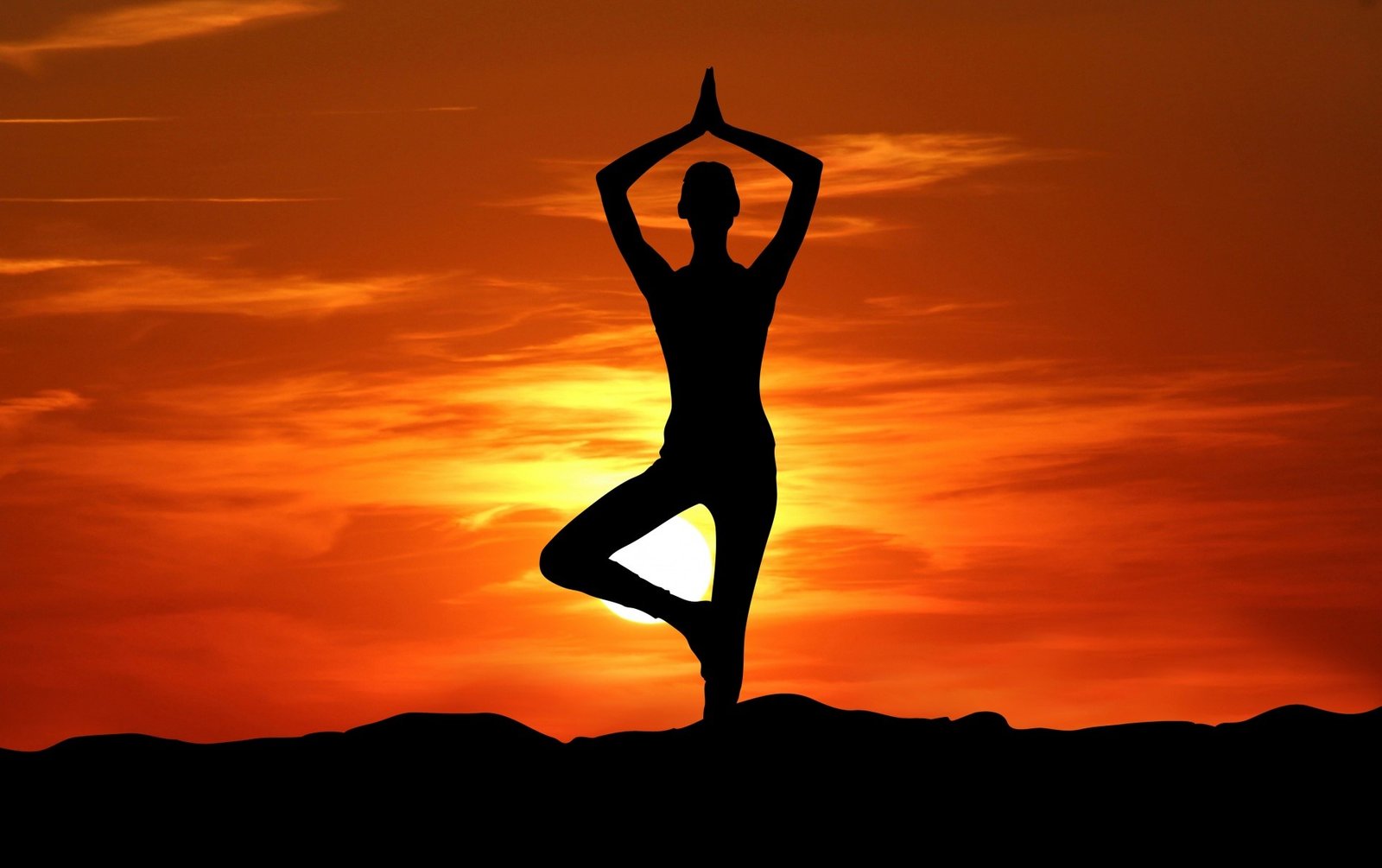
YOGA FOR DEPRESSION
Introduction
Depression is more than feeling sad or low—it is a deep emotional state that affects the mind, body, energy, and sense of meaning in life. While modern medicine offers effective treatments, many people continue to seek complementary approaches that address depression at its roots rather than only its symptoms.
Yoga, an ancient science of self-transformation, offers a holistic and gentle path toward emotional healing. By integrating movement, breath, awareness, and meditation, yoga helps regulate the nervous system, restore inner balance, and reconnect individuals with their innate resilience and peace.
Understanding Depression from a Yogic Perspective
In yogic philosophy, depression is often linked to an imbalance in prana (life force energy) and disturbances in the mind (chitta). When prana becomes stagnant or depleted—due to stress, trauma, suppressed emotions, or lifestyle imbalance—the mind becomes heavy, dull, and inwardly contracted.
Depression is associated with:
- Excess tamas (inertia, darkness)
- Blocked heart and solar plexus energy
- Shallow breathing and reduced vitality
- Disconnection from purpose and self-worth
Yoga works by gently re-energizing the system, increasing sattva (clarity and harmony), and restoring the natural flow of life energy.
How Yoga Helps in Depression
Yoga supports mental health through multiple interconnected mechanisms:
1. Nervous System Regulation
Yoga activates the parasympathetic nervous system (rest-and-digest response), reducing stress hormones like cortisol and calming the mind.
2. Breath and Brain Chemistry
Yogic breathing increases oxygenation, stimulates the vagus nerve, and helps balance neurotransmitters such as serotonin and dopamine.
3. Mind–Body Awareness
Yoga brings attention into the body, helping individuals disengage from negative thought loops and rumination.
4. Emotional Release
Gentle postures and breathwork allow stored emotional tension to release safely.
5. Sense of Control and Empowerment
Regular practice cultivates self-discipline, hope, and a feeling of agency—often lost in depression.
Best Yoga Practices for Depression
1. Asanas (Yoga Postures)
Gentle, grounding, and heart-opening postures are particularly beneficial.
Recommended Asanas:
- Balasana (Child’s Pose): Comfort, safety, grounding
- Bhujangasana (Cobra Pose): Uplifts mood, opens the heart
- Setu Bandhasana (Bridge Pose): Reduces anxiety, energizes
- Adho Mukha Svanasana (Downward Dog): Improves circulation
- Viparita Karani (Legs Up the Wall): Deep calming and restoration
- Sukhasana (Easy Pose): Supports breath awareness and meditation
Note: Practices should be gentle and non-straining, especially during severe depression.
2. Pranayama (Breathing Techniques)
Breath is the bridge between mind and body. Slow, rhythmic breathing calms emotional turbulence.
Effective Pranayama Techniques:
- Nadi Shodhana (Alternate Nostril Breathing): Balances the nervous system
- Bhramari (Humming Bee Breath): Reduces anxiety and mental agitation
- Deep Diaphragmatic Breathing: Enhances relaxation
- Ujjayi Breath: Promotes calm focus
Avoid forceful practices like Kapalbhati during acute depressive episodes unless guided by a qualified teacher.
3. Meditation for Depression
Meditation helps cultivate inner witnessing and reduces identification with negative thoughts.
Helpful Meditation Techniques:
- Mindfulness of breath
- Loving-kindness (Metta) meditation
- Guided body awareness
- Mantra meditation (e.g., Om, So Hum)
Even 5–10 minutes daily can gradually create emotional stability.
4. Yoga Nidra (Yogic Sleep)
Yoga Nidra is a deeply restorative practice that induces profound relaxation while remaining conscious.
Benefits:
- Releases subconscious tension
- Improves sleep quality
- Reduces anxiety and depressive symptoms
- Reprograms negative mental patterns
It is especially helpful for individuals who feel exhausted or overwhelmed.
5. Mantra and Sound Healing
Sound vibrations positively influence the nervous system and emotional state.
Common Mantras Used:
- Om
- Gayatri Mantra
- So-Hum
Chanting or listening to mantras creates rhythmic breathing and a sense of inner support.
Scientific Evidence Supporting Yoga for Depression
Modern research increasingly supports yoga as an effective complementary therapy for depression:
- Reduces cortisol (stress hormone)
- Improves heart rate variability
- Enhances GABA levels (calming neurotransmitter)
- Improves mood, sleep, and emotional regulation
Many clinical studies show yoga to be effective for mild to moderate depression and supportive alongside conventional treatment for severe cases.
Lifestyle Integration: Yoga Beyond the Mat
Yoga for depression is not limited to physical practice. A yogic lifestyle includes:
- Regular routine (Dinacharya)
- Sattvic diet (fresh, nourishing foods)
- Adequate rest and sleep
- Positive company (Satsang)
- Self-compassion and patience
Healing is gradual and non-linear; yoga teaches acceptance without self-judgment.
Precautions and Important Considerations
- Yoga is not a replacement for medical or psychological treatment
- Individuals with severe depression or suicidal thoughts should seek professional help immediately
- Yoga should be practiced gently and consistently
- Guidance from a trained yoga therapist is recommended
Who Can Benefit from Yoga for Depression?
Yoga is suitable for:
- People experiencing stress-induced depression
- Individuals recovering from trauma
- Those seeking natural emotional balance
- Anyone looking to deepen self-awareness and inner peace
It is inclusive, adaptable, and accessible to all ages.
Conclusion
Yoga offers a compassionate and holistic approach to depression—one that honours the interconnectedness of body, breath, mind, and soul. Rather than fighting darkness, yoga gently invites light, awareness, and movement back into life.
Through consistent practice, individuals often rediscover inner strength, emotional clarity, and a renewed sense of purpose. Yoga does not promise instant relief, but it offers something deeper: a pathway back to oneself.
~ By Master Mystic